How to Choose a Safe, Qualified Botox Injector in Middle Georgia
Botox may be one of the most familiar treatments in medical aesthetics, but familiar does not mean simple.
Injecting Botox safely and effectively requires more than knowing where to place a needle. A qualified injector needs a strong understanding of facial anatomy, muscle movement, facial balance, dosing, and how changes in one area can affect another.
If you are considering Botox in Milledgeville, Lake Sinclair, or elsewhere in Middle Georgia, choosing the right injector matters just as much as choosing the treatment itself.
Start With the Person, Not the Price
It is easy to compare Botox appointments based on price per unit. That number matters, but it should not be the first thing you consider.
Two patients can receive the same number of units and have very different results depending on where those units are placed, how they are distributed, and whether the treatment plan actually fits their anatomy.
Botox is not simply a matter of treating a wrinkle. A thoughtful injector looks at the way your face moves as a whole.
Before treatment, your provider should assess things such as:
- The strength of the muscles being treated
- Your natural facial expressions
- Brow position
- Facial symmetry
- Previous injectable treatments
- Areas you want to improve
- Areas you do not want to change
The goal should be an individualized treatment plan, not a standard number of units given to every patient.
Ask About the Injector’s Training and Experience
You should feel comfortable asking who will perform your treatment and what training that person has completed.
A qualified injector should be able to explain their education, clinical background, injectable training, and experience without making the conversation uncomfortable.
Botox requires an understanding of anatomy because the muscles of the face are closely connected. Treating one muscle can sometimes change the movement or appearance of another.
Experience also matters because no two faces are identical.
A provider who routinely performs injectable treatments develops a deeper understanding of how different patients respond, how to adjust dosing, and when a treatment plan needs to be modified.
Your Consultation Should Include Facial Assessment
A Botox appointment should involve more than asking which wrinkles bother you.
Your injector should watch your face at rest and while you make normal expressions. You may be asked to smile, frown, raise your eyebrows, squint, or make other facial movements.
This allows the provider to see which muscles are creating the movement you want to address.
It also helps prevent a common mistake in aesthetic medicine: treating an isolated line without considering the rest of the face.
For example, forehead lines may bother you, but treating the forehead too aggressively without considering brow position can create heaviness in some patients.
That is why good Botox treatment is based on anatomy and movement rather than simply following a diagram.
A Good Injector Should Ask What You Want to Look Like
One of the most important parts of a consultation is discussing your expectations.
Some patients want very little movement. Others want their lines softened while keeping as much natural expression as possible.
Neither preference is automatically right or wrong.
Your injector should understand what you want before treatment begins.
At Bonagent, we believe aesthetic treatment should still allow you to look like yourself. Botox can soften lines and reduce excessive muscle movement without changing the features that make your face recognizable.
The best results often make people look rested or refreshed rather than obviously treated.
Your Medical History Matters
Botox is a medical treatment, and your provider should treat it that way.
Before your appointment, you should be asked about relevant medical history, medications, previous Botox or neuromodulator treatments, allergies, pregnancy or breastfeeding status, and other factors that could affect treatment.
You should also have an opportunity to discuss potential risks and limitations.
Although Botox has a long history of use and is generally well tolerated when administered appropriately, no medical procedure is completely without risk.
A responsible provider should be comfortable discussing both the benefits and the possible complications.
Ask Which Product Is Being Used
“Botox” is often used casually as a general term for wrinkle-relaxing injections, but Botox Cosmetic is a specific brand of botulinum toxin.
Other neuromodulators include Dysport and additional products used in aesthetic medicine.
These products work in similar ways, but they are not identical and their units are not interchangeable.
Your provider should be able to tell you exactly what product you are receiving and why it was selected.
You should never have to wonder what is being injected into your face.
Be Cautious With Extremely Cheap Botox
Everyone appreciates good value, but unusually low pricing deserves a closer look.
The cost of Botox reflects more than the medication itself. It also includes the provider’s training, clinical expertise, consultation, treatment planning, medical supplies, proper product storage, and follow-up care.
A very low advertised price should prompt a few questions.
Ask whether the treatment uses authentic product, who is performing the injections, how pricing is calculated, and whether follow-up care is available.
Your face is not the place to choose a provider based solely on the lowest price.
Pay Attention to the Consultation, Not Just Before-and-After Photos
Before-and-after photographs can be helpful, but they only show part of the story.
A beautiful photograph cannot tell you whether the patient was properly screened, whether the dose was appropriate, or how the treatment affected facial movement.
During your consultation, pay attention to the way the provider communicates with you.
A good injector should be willing to explain:
- Why they recommend a particular treatment
- What Botox can realistically improve
- What Botox will not improve
- How many units may be appropriate
- When results are likely to appear
- How long results typically last
- What side effects or complications are possible
- When you should return for follow-up
You should leave the consultation understanding the plan rather than simply being told what you “need.”
A Qualified Injector Will Sometimes Tell You No
This is one of the strongest signs that you are working with a thoughtful provider.
Not every concern should be treated with Botox.
Sometimes another treatment is more appropriate. Sometimes the best decision is to treat less. And sometimes a patient should not be treated at all.
A provider who is willing to say no is demonstrating that your long-term result matters more than completing a procedure that day.
More treatment does not always create a better result.
In medical aesthetics, restraint is often just as important as technical skill.
What Are Some Red Flags?
You may want to reconsider a provider if:
- You feel pressured to receive treatment immediately.
- Your medical history is barely discussed.
- The provider does not evaluate your facial movement.
- You cannot get a clear answer about who is injecting you.
- The product being used is unclear.
- Risks and limitations are dismissed.
- Every patient appears to receive the same treatment plan.
- The provider recommends additional treatment without explaining why.
- Your concerns or preferences are brushed aside.
A consultation should feel collaborative, not rushed.
Choosing a Botox Provider in Middle Georgia
Patients in Milledgeville, Lake Sinclair, and the surrounding Middle Georgia area have more aesthetic treatment options than ever before.
That makes it even more important to look beyond advertising and ask thoughtful questions.
Choose a provider who approaches Botox as a medical treatment, understands facial anatomy, listens carefully to your goals, and is willing to use restraint when appropriate.
You should feel comfortable asking questions before anyone treats you.
And you should feel confident that the person performing your injections is making decisions based on your face, your goals, and your safety rather than following the same formula for everyone.
Botox Consultations at Bonagent Aesthetics
At Bonagent Aesthetics in Milledgeville, we approach injectable treatments conservatively and individually.
We want our patients to understand what we are recommending, why we are recommending it, and what they can realistically expect from treatment.
Sometimes that means Botox.
Sometimes it means a different approach.
And sometimes the best recommendation is to leave something alone.
Our goal is not simply to perform a treatment. It is to help you make an informed decision and create results that look balanced, natural, and appropriate for you.
Frequently Asked Questions
How do I know if a Botox injector is qualified?
Ask about the provider’s medical background, injectable training, experience, and how frequently they perform Botox treatments. A qualified provider should also complete a medical history and facial assessment before recommending treatment.
Should my Botox injector examine my facial movement first?
Yes. Facial movement is an important part of treatment planning. Your injector should evaluate how your muscles move before deciding where and how much product to use.
Is cheaper Botox always a bad sign?
Not necessarily, but unusually low pricing is worth asking about. Find out what product is being used, who is performing the treatment, how the pricing works, and whether consultation and follow-up care are included.
Can Botox look natural?
Yes. Botox does not have to eliminate every bit of facial movement. The treatment plan can be adjusted based on your anatomy and how much movement you would like to maintain.
How many units of Botox will I need?
There is no single correct number. The appropriate dose depends on the treatment area, muscle strength, facial anatomy, previous treatment history, and your desired result.
What if my injector says I do not need Botox?
That can be a very good sign. A responsible injector should be willing to recommend less treatment or no treatment when it is in the patient’s best interest.
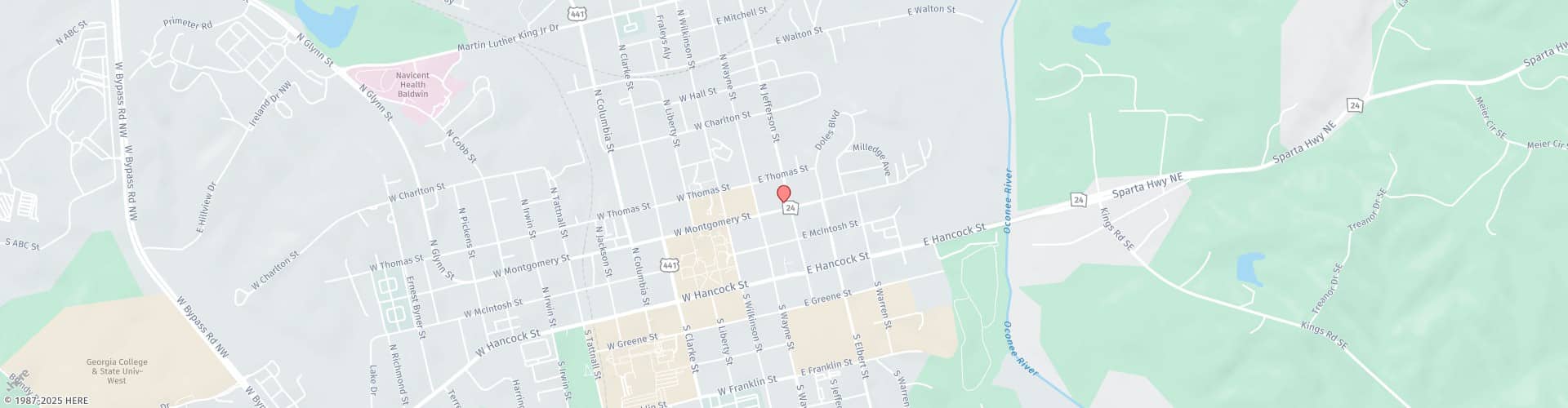
Bonagent Aesthetics
300 N. Jefferson St. NE
Milledgeville, GA 31061
478-400-6020